
Transform Your Daily Health Through Stretching
Discover the complete guide to building a sustainable stretching routine that fits into your everyday life. Learn how flexible muscles and improved mobility enhance your overall wellness.
What Makes Our Stretching Program Different
Daily Accessible Routines
Simple 10-15 minute stretching sequences designed for busy schedules. No equipment needed—just your body and a small space.
Science-Backed Methods
Routines based on evidence-based flexibility principles and joint mobility enhancement. Understand the "why" behind each stretch.
Progressive Structure
Build from foundational stretches to advanced techniques. Your routine adapts as your flexibility and strength improve naturally.
Targeted Body Sections
Specific stretches for neck, shoulders, back, hips, and legs. Choose routines that address your personal areas of tension.
Why Daily Stretching Matters for Your Health
Regular stretching is one of the most underestimated wellness practices. Beyond flexibility, a consistent routine improves posture, reduces muscle tension accumulated from daily activities, and supports better circulation throughout your body.
Whether you work at a desk, spend hours standing, or live an active lifestyle, dedica ting just minutes daily to proper stretching creates profound changes in how your body feels and functions.
Enhanced Range of Motion
Gradually increase your flexibility and joint mobility, making everyday movements easier and more comfortable.
Reduced Muscle Tension
Release knots and tightness that build up from stress, sitting, or repetitive activities—naturally and without medication.
Improved Posture Alignment
Rebalance muscle groups and correct postural imbalances that contribute to chronic discomfort and fatigue.
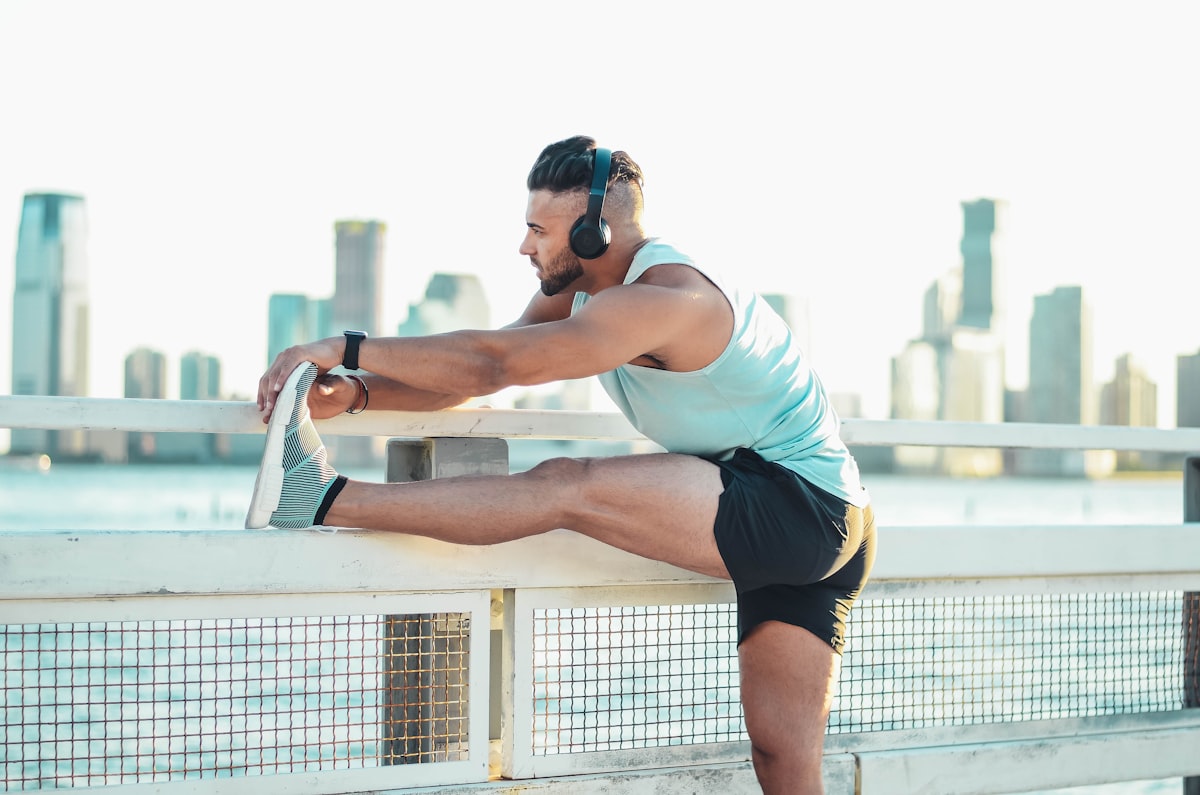
Your 5-Step Daily Routine Framework
Warm-Up Phase (2 Minutes)
Begin with light movement to increase heart rate and warm muscles. Gentle arm circles, leg swings, and walking in place prepare your body for deeper stretching. Never stretch cold muscles—warming reduces injury risk and improves stretch effectiveness.
Dynamic Stretching (3 Minutes)
Perform active stretches that involve movement through your range of motion. Examples include leg swings, arm crossovers, and torso twists. Dynamic stretching further preps muscles and increases flexibility while maintaining mobility.
Static Stretching Sequence (5-7 Minutes)
Hold stretches for 20-30 seconds in a still position without bouncing. Target major muscle groups: hamstrings, quadriceps, hip flexors, chest, shoulders, and back. This phase delivers lasting flexibility improvements when done consistently.
Deep Stretching Hold (3 Minutes)
Lean deeper into selected stretches, focusing on areas with the most tension. Hold for 30-45 seconds. This phase targets deeper muscle layers and connective tissues that contribute to posture and mobility improvements.
Cool-Down & Breathing (2 Minutes)
End with slow, controlled breathing while seated or lying down. Gentle stretches paired with deep breathing calm your nervous system and consolidate flexibility gains. This practice supports relaxation and recovery.
Stretch Categories by Body Part
Neck & Upper Back
Relieve tension from desk work and forward head posture. Gentle neck rolls, shoulder shrugs, and upper back stretches ease stiffness that leads to headaches and shoulder pain.
- • Neck side stretches
- • Shoulder rolls
- • Reverse shoulder stretch
- • Cat-cow spine stretch
Shoulders & Arms
Improve shoulder mobility and reduce tension from typing, lifting, or sports. Arm stretches enhance your range of motion and reduce muscle soreness after activity.
- • Bicep stretches
- • Tricep overhead stretch
- • Cross-body shoulder stretch
- • Chest opener stretch
Lower Back & Core
Address the primary source of chronic pain for millions. Lower back stretches and core mobility work restore balance and reduce discomfort from sitting or heavy lifting.
- • Child's pose
- • Spinal twists
- • Glute and piriformis stretch
- • Knee-to-chest stretch
Hips & Glutes
Open tight hips and improve lower body mobility. Hip stretches are essential for athletes and desk workers alike—tight hips affect your posture, gait, and lower back health.
- • Pigeon pose
- • Figure-four stretch
- • Low lunge with hip flexor focus
- • Butterfly stretch
Legs & Hamstrings
Release tension in the largest muscle groups of your body. Tight hamstrings, quadriceps, and calf muscles limit mobility and contribute to imbalances that affect your entire kinetic chain.
- • Standing hamstring stretch
- • Quad stretch
- • Calf stretches
- • Seated forward fold
Full-Body Integration
Combine stretches into flowing sequences that address multiple areas simultaneously. Full-body routines improve overall coordination, balance, and proprioception while deepening mind-body awareness.
- • Sun salutation flow
- • Spinal waves and movements
- • Standing sequences
- • Ground-based flows
Benefits Comparison: Active vs. Inactive Lifestyles
| Aspect | Without Regular Stretching | With Daily Stretching Routine |
|---|---|---|
| Range of Motion | Limited flexibility; difficulty reaching or bending | Improved mobility; easier everyday movements and activities |
| Muscle Tension | Chronic tightness and muscle knots accumulate | Regular release of tension; reduced muscle soreness |
| Posture Quality | Postural imbalances lead to slouching and discomfort | Improved alignment; standing and sitting feel natural |
| Pain & Discomfort | Chronic aches in back, neck, and shoulders persist | Reduced pain levels; fewer headaches and joint issues |
| Circulation & Energy | Poor blood flow; fatigue and sluggish feeling | Enhanced circulation; improved energy and mental clarity |
| Injury Prevention | Higher risk of strains and muscle injuries | Better muscle balance; reduced injury risk during activity |
| Sleep Quality | Muscle tension disrupts sleep and recovery | Relaxed muscles support deeper, more restorative sleep |
Common Questions About Daily Stretching
Q: How long does it take to see flexibility improvements?
Most people notice increased range of motion within 1-2 weeks of consistent daily stretching. More significant improvements in flexibility develop over 4-6 weeks. The key is consistency—even 10 minutes daily outperforms sporadic 30-minute sessions. Your body adapts to regular stimulus, so the routine becomes easier and more effective over time.
Q: Can I stretch if I have chronic pain or existing injuries?
Many people with pain benefit from gentle stretching, but it depends on your condition. Always work within pain-free ranges and avoid positions that aggravate symptoms. Consider consulting with a healthcare provider or physical therapist before starting if you have significant injuries. They can recommend safe modifications tailored to your needs.
Q: Is there a best time of day to stretch?
Morning stretching energizes your body and improves posture for the day. Evening stretching reduces tension accumulated throughout the day and supports better sleep. The best time is whenever you'll actually do it consistently. Some people benefit from both—a quick morning routine and a deeper evening sequence.
Q: Should I stretch before or after exercise?
Dynamic stretching before exercise warms muscles and prepares them for activity. Static stretching is best done after exercise when muscles are warm. Your daily Staminaritualpath routine is independent and can be done on rest days or as a separate session from your other activities.
Q: What if I'm not naturally flexible?
Flexibility is a skill you develop, not an innate ability you either have or lack. Everyone starts where they are, and consistent stretching improves flexibility regardless of your starting point. Listen to your body, never force stretches, and progress gradually. Small improvements compound into significant gains over months.
Q: Can stretching alone improve my overall health?
Stretching significantly enhances flexibility, posture, and muscle tension relief—all important components of wellness. Combined with regular movement, balanced nutrition, and adequate sleep, daily stretching contributes meaningfully to your overall health. Think of it as one essential piece of a complete wellness puzzle.
What Our Readers Are Discovering
"I started following the daily stretching routine from Staminaritualpath just three weeks ago, and the difference in my back pain has been remarkable. I can finally sit through a full workday without discomfort, and my posture feels completely different. The step-by-step guide made it so easy to understand what I was doing and why.
Sarah Mitchell
Bristol, United Kingdom
"As someone who sits at a desk all day, I was skeptical that just 10 minutes of stretching would make a real difference. I was wrong. The targeted routines for different body parts mean I can focus on my tight shoulders and hips each day. The breathing and cool-down sections have also become my favorite part of my routine.
James Chen
London, United Kingdom
"I've tried so many wellness programs that promised quick fixes. This one is different because it's about building a sustainable habit, not chasing results. The educational content helped me understand how flexibility actually impacts my overall health. I'm genuinely excited to continue improving my mobility every single day.
Emma Thompson
Manchester, United Kingdom
Key Principles Behind the Staminaritualpath Program
Progressive Overload
Just like strength training, flexibility improves through gradual progression. Start with foundational stretches, then increase hold times and deepen positions as your range of motion improves. This progressive approach prevents plateaus and improves. This progressive approach prevents plateaus and keeps your practice engaging.
- Week 1-2: Foundation Building
- Week 3-4: Deepen Your Range
- Week 5+: Advanced Techniques
Track & Measure Progress
Flexibility gains are measurable. Record your starting positions with photos, note how far you can reach, and monitor improvements in daily activities like touching your toes or sitting comfortably cross-legged.
Progress Tracker Tip:
Test your flexibility monthly using the sit-and-reach test or taking photos of your deepest stretches. Visible progress is incredibly motivating.
Real Results from Real People
Join thousands who've transformed their flexibility and quality of life.
Sarah M.
Busy Professional
"I couldn't touch my toes for years. Within 6 weeks of following the Staminaritualpath program, I'm bending forward with ease. My back pain has practically disappeared!"
James T.
Former Athlete
"The progressive overload approach makes sense and actually works. I've improved my splits significantly, and I feel stronger and more balanced than ever."
Lisa K.
Yoga Instructor
"This program perfectly complements my teaching. The science-backed methods help my students stay motivated and see real improvements in their practice."
Frequently Asked Questions
Most people notice initial improvements within 2-3 weeks of consistent practice. Significant changes typically appear within 6-8 weeks. Remember, flexibility is a gradual process—consistency matters more than intensity.
Absolutely! The program is designed with beginners in mind. We start with foundational stretches and gradually progress. No prior flexibility experience is needed—just a commitment to consistent practice.
We recommend 4-5 times per week for optimal results. Sessions can be as short as 15-20 minutes. Even on rest days, light stretching helps maintain flexibility gains.
Yes! The Staminaritualpath Program pairs beautifully with strength training, cardio, yoga, and most other fitness activities. In fact, improved flexibility enhances performance in other disciplines.
We include modifications for various fitness levels and conditions. Always consult with a healthcare provider before starting any new program, especially if you have existing injuries or concerns.
Ready to Transform Your Flexibility?
Join the Staminaritualpath community and start your flexibility journey today. Consistent practice leads to lasting results.
No credit card required • Join 10,000+ members • 30-day satisfaction guarantee